

We all know seaweed is an effective superfood. It provides a wide range of benefits, from an improved immune system to reduced heart disease risk. From anticancer effects to improved memory, there’s plenty of reasons to consume seaweed.
However, we also know they’re an acquired taste. Seaweed (especially to those who aren’t accustomed to eating them) takes some getting used to, but it’s worth it knowing you’re getting some of these amazing health benefits:
- Fiber for gut health and weight loss.
- Reduced risk of heart disease.
- Protective antioxidants.
- Nutrient-dense with essential vitamins and minerals.
Who knows, once you start incorporating seaweed into your diet, you might start liking it. Let’s take a look at 5 ways to include more seaweed in your diet.
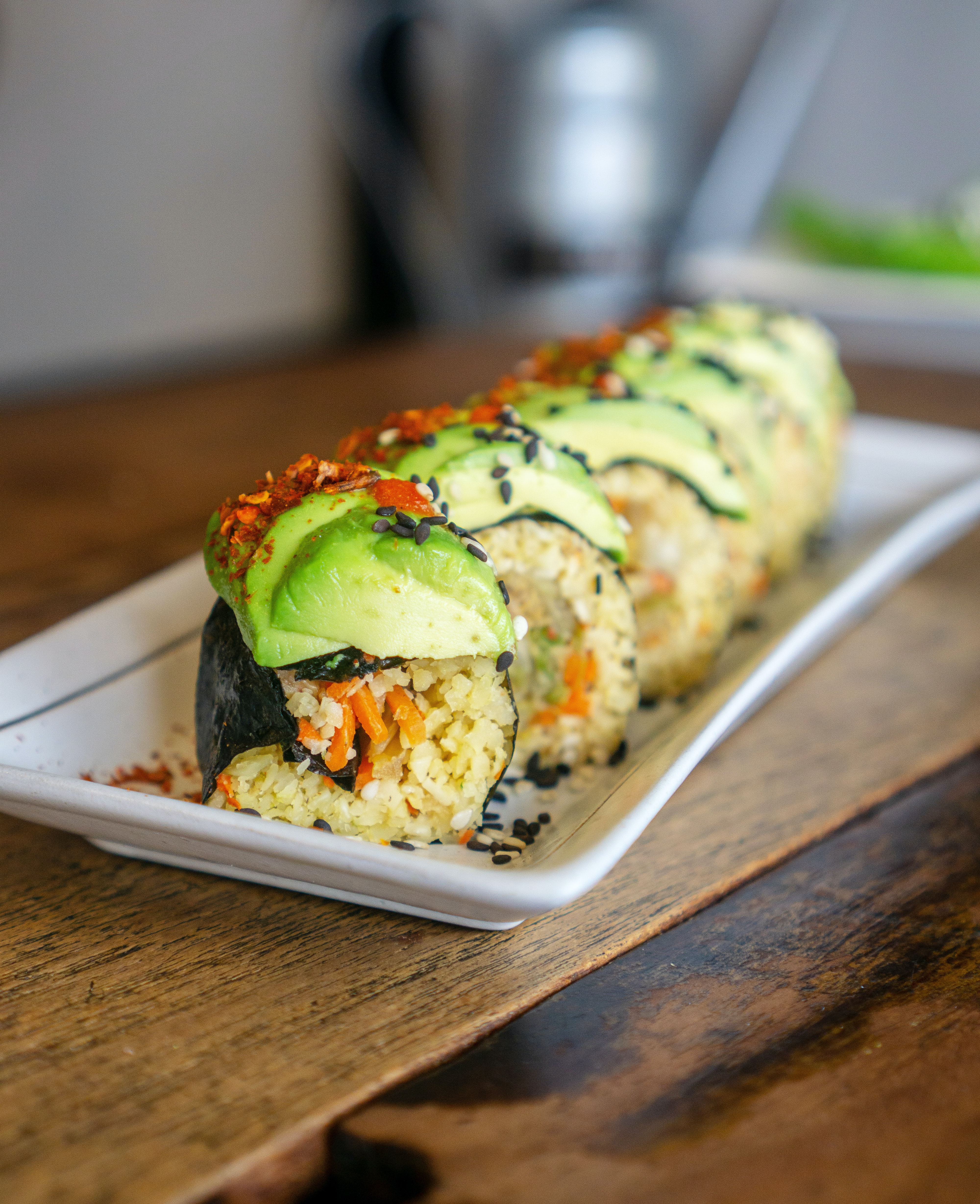
5. Sushi
Let’s start with the most obvious way to include seaweed into the diet: sushi. Sushi is normally wrapped with a seaweed called nori, and this nori packs different vitamins and minerals from calcium to vitamin c.
If you’re trying to watch your waist, then try making your own sushi from home with fewer ingredients. You don’t need to go out and eat cream-cheese filled or fried sushi every day. You can wrap up some rice and egg or rice and imitation crab.
4. Soup
Miso soup is a common soup that uses another common seaweed called kombu. Much like nori, kombu provides plenty of benefits like iodine and manganese. However, kombu has a lot of iodine, so make sure you’re talking to your doctor before you consume it, especially if you have a possible thyroid issue.
3. Dried As A Snack
You don’t need to add everything to food. Believe it or not, you can consume seaweed by itself. There are some seaweed-wrapped crackers or dried seaweed in a bag that you can munch on if you need a quick pick-me-up.
Don’t go too crazy on the seaweed snacks. While seaweed is healthy, the process of drying and packaging normally includes a lot of sodium. They might also have added sodium that isn’t great for those at risk of high blood pressure.
2. Salads And Seasoning
This one is surprising because you didn’t think you could add seaweed to a salad. Fortunately, you can even have seaweed as a salad itself. You can use kelp or dried wakame to get a healthy dose of iodine, b vitamins, zinc, and iron to your salad. You can also eat it by itself if you’re looking for an easy-to-prepare side dish.
If you’re feeling especially creative, you can grind up seaweed to add to different dishes as you would with salt. It could make a delicious salt substitute in certain dishes, especially if you’re trying to lower your sodium levels.
1. Supplements
When all else fails, you can turn to supplements. Supplementing your meals is fine if you’re having trouble incorporating seaweed into your diet. There’s nothing wrong with turning to supplements. However, keep in mind, much like any supplements, it’s important to speak to your doctor about any potential issues.
Seaweed is worth looking into if you’re looking for weight loss, improved immune function, and better heart health.
Seaweed is an invaluable addition to any diet, and taking Sea Veg® supplements is an effortless way to be proactive about your health. Whether you’re a health nut or just casually interested in adding nutritional value to your diet, Sea Veg®’s is sure to have a product suited to you. Sustainably harvested from pristine oceans across the globe, Sea Veg 90®, Sea Veg 180®, Super Sea Veg 180®, Sea Veg Junior® and Sea Veggy Tails® supplements contain a unique premium blend of 12 nutrient-rich sea plant species. If you’re committed to ecological health consciousness and empowering your health, Sea Veg®‘s line of 100% organic, vegan, gluten free, whole food supplements are perfect for you.