

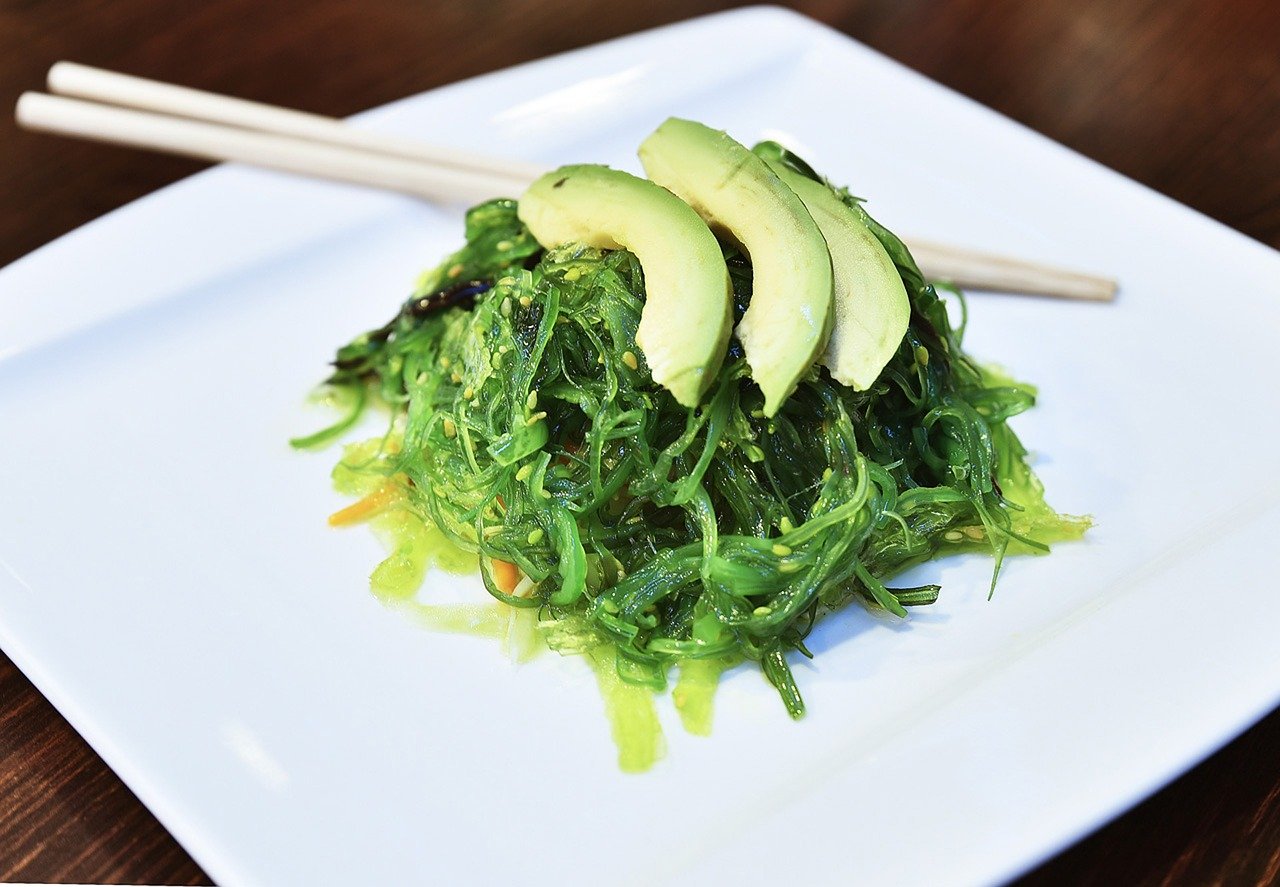
It’s surprising how, to this day, we’re still discovering the nutritional aspects of different types of sea plants. It’s surprising because these foods have been around for thousands of years, and we’re only still discovering what they can do for our bodies. Let’s take a look at the different types of seaweeds, for example. For thousands of years, seaweed has been a cornerstone in the Japanese diet dating back millennia.
Not only has it been used in foods, but it was used in medicine too in many different cultures. However, keep in mind, not all seaweed is the same. There are different types of seaweed to choose from. While they are all different in look and taste, many of them share the same nutritional benefits.
Let’s take a look at some of the nutritional benefits of different types of seaweeds.
Kelp
Kelp is a common type of seaweed that rivals milk when it comes to calcium. Yes, if you’re not big into dairy but still want to reap the benefits of healthy bones and improved bone repair, then kelp is the calcium powerhouse for you.
Nori
There’s a reason why nori is one of the most popular seaweeds on the market: it’s the most balanced. You’re getting essential amino acids, unsaturated fatty acids, vitamins, and minerals, all in a seaweed type that’s so versatile it can go in everything from soup to sushi. You can’t beat that.
Agar-Agar
Agar-Agar isn’t as common as nori or kelp, but it’s a type of seaweed you should look at if your goal is to lose weight. Yes, this seaweed, agar-agar, provides a rich amount of fiber that helps boost your weight loss by keeping the body from storing too much fat. It’s a little different from the other seaweed types as it’s not as dry; it’s more gelatinous.
Arame
Arame is a type of brown alga that isn’t as popular out West yet. However, as more and more people discover arame, they find out it’s a seaweed with some of the best antioxidants to protect your cells. Your cells from your heart to your brain will thank you for consuming arame because, unlike the other seaweeds, this one is used more in snacks and other delicious treats than food.
Dulse
All seaweed has the compounds needed to lower blood pressure, but the dulse seaweed is the most effective. Millions of people around the world suffer from hypertension. Often, blood pressure goes unnoticed until it’s too late. Consuming a healthy amount of seaweed, especially the red algae, dulse, will keep the blood and heart-healthy while reducing your risk of stroke or heart attack.
Kombu
Kombi is also common, like nori. However, it’s a little more versatile in its use as you can use it in different soups and other recipes. Kombu is effective in weight loss, similar to agar-agar, but it also helps reduce fat absorption. Try grinding up kombu and using it as a “salt” to help reduce sodium.
The different types of seaweed share common health benefits, from better cardiovascular health to reducing your risk of memory issues. However, each seaweed shines in one way or another, and you should try each one to see which one works best for your body.
Seaweed is an invaluable addition to any diet, and taking Sea Veg® supplements is an effortless way to be proactive about your health. Whether you’re a health nut or just casually interested in adding nutritional value to your diet, Sea Veg®’s is sure to have a product suited to you.
Sustainably harvested from pristine oceans across the globe, Sea Veg 90®, Sea Veg 180®, Super Sea Veg 180®, Sea Veg Junior® and Sea Veggy Tails® supplements contain a unique premium blend of 12 nutrient-rich sea plant species. First time buyers can take advantage of our special introductory offer by using code “SEAVEGBLOG” for $5 off your first order. If you’re committed to ecological health consciousness and empowering your health, Sea Veg®‘s line of 100% organic, vegan, gluten free, whole food supplements are perfect for you